
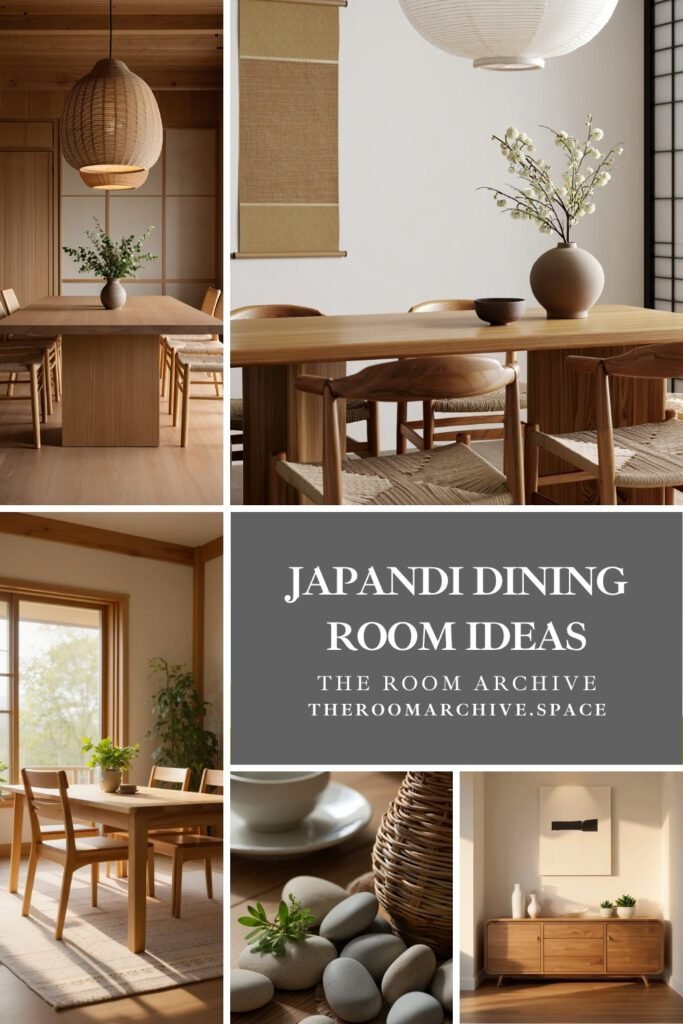
Creating a serene and inviting dining space is a priority for many homeowners. We believe that the perfect blend of functionality and aesthetics can be achieved by incorporating Japandi design principles. This unique fusion of Japanese minimalism and Scandinavian warmth results in a harmonious atmosphere that is both sophisticated and welcoming.
Our goal is to guide you in crafting a dining room that serves not just as a place to eat, but as a sanctuary for relaxation and connection. By emphasizing natural materials and clean lines, we can transform ordinary spaces into peaceful retreats. Throughout this guide, we’ll share practical ideas to help you create your own serene Japandi-inspired sanctuary.
Key Takeaways
- Blend Japanese minimalism with Scandinavian warmth to create a unique dining atmosphere.
- Emphasize natural materials and clean lines for a serene ambiance.
- Transform your dining space into a peaceful retreat.
- Balance functionality with aesthetics for a harmonious dining environment.
- Create a sanctuary that fosters relaxation and connection.
Understanding the Japandi Design Philosophy
The Japandi style combines Japanese minimalism with Scandinavian coziness, creating a harmonious balance between functionality and aesthetics. This design philosophy is rooted in simplicity, natural materials, and a calming atmosphere, making it perfect for creating serene dining spaces.
The Perfect Fusion of Japanese and Scandinavian Aesthetics
Japandi design thoughtfully merges the Japanese wabi-sabi philosophy with Scandinavian hygge, resulting in spaces that feel both elegant and comfortable. The Japanese influence brings minimalism, natural elements, and an appreciation for craftsmanship, while Scandinavian design contributes functionality, light woods, and cozy comfort.
Core Principles: Minimalism, Functionality, and Natural Beauty
At its core, Japandi design embraces simplicity without sacrificing warmth. Every item serves a purpose while contributing to the overall aesthetic. This approach values quality over quantity, encouraging a thoughtful curation of furnishings and decor. By understanding these foundational principles, you can make intentional choices when designing your own Japandi dining space.
Why Japandi Style Works Perfectly for Dining Spaces

When it comes to creating a peaceful dining area, Japandi style stands out as an ideal choice. We find that the Japandi design philosophy, which combines the clean lines of Scandinavian design with the warmth and natural elements of Japanese aesthetics, is particularly well-suited for dining spaces.
Creating a Calm Atmosphere for Meaningful Gatherings
The Japandi style promotes a serene, uncluttered atmosphere, perfect for dining and connecting with family and friends. By reducing visual distractions, Japandi dining spaces encourage more mindful dining experiences and meaningful conversations.
Balancing Form and Function for Everyday Use
Japandi style achieves a perfect balance between beauty and practicality, with every element serving both form and functionality. This balance makes Japandi style suitable for both everyday family meals and more formal entertaining.
In essence, Japandi style creates an ideal environment for dining by fostering a calm atmosphere and striking a balance between aesthetics and functionality in the dining space.
Essential Elements of a Japandi Dining Room

To create a serene Japandi dining space, we focus on essential elements that bring together simplicity, warmth, and functionality. These elements work in harmony to create a balanced and inviting atmosphere.
Clean Lines and Thoughtful Design
Clean lines are a hallmark of Japandi design, creating visual harmony and eliminating clutter. Thoughtful design ensures that every piece serves a purpose, contributing to a sense of calm.
Natural Materials and Textures
wood and stone bring warmth and texture to the dining area, creating a cozy atmosphere.
Neutral Color Palette with Subtle Contrasts
A neutral color palette featuring soft whites, beiges, and grays creates a serene backdrop. Subtle contrasts, such as the interplay between light and dark woods, add visual interest without disrupting the calm.
Selecting the Perfect Japandi Dining Table

The Japandi dining table is the centerpiece of your dining space, embodying the principles of minimalism and natural beauty. We guide you through the process of selecting a dining table that not only reflects your personal style but also adheres to the Japandi design philosophy.
Material Considerations: Oak, Walnut, and Ash
When it comes to Japandi dining tables, the choice of material is crucial. Oak, walnut, and ash are popular options, each offering unique characteristics. Oak is light-toned and highly durable, suitable for bright and airy spaces. Walnut provides a rich, dark tone, adding contrast and sophistication. Ash offers a smooth grain and a lighter tone than walnut, making it an excellent middle ground.
Finding the Right Size and Shape for Your Space
The size and shape of your dining table significantly impact the overall ambiance of your dining space. Rectangular tables work well in larger spaces, while round tables create intimacy in smaller areas. Extendable options offer flexibility for different gathering sizes, ensuring that your dining table adapts to your needs.
Low-Profile Tables for an Authentic Touch
For an authentic Japanese influence, consider a low-profile table. This design element creates a grounded, meditative quality, encouraging lingering conversations and a sense of togetherness. Low-profile tables are an excellent choice for those seeking to incorporate traditional Japanese elements into their Japandi dining space.
Japandi Dining Chairs and Seating Options

To achieve a harmonious Japandi dining area, it’s essential to select seating options that embody clean lines and natural beauty. We explore various seating options that complement Japandi dining tables, focusing on pieces that balance comfort with minimalist design principles.
Wooden Chairs with Clean Silhouettes
Wooden chairs with clean silhouettes form the foundation of Japandi seating. Look for slim profiles with straight legs and minimal ornamentation that showcase the natural beauty of the wood.
Curved Back Designs for Comfort and Style
Curved back designs add ergonomic comfort without sacrificing style, creating an inviting seat that encourages lingering conversations after meals.
Floor Seating Alternatives for Traditional Appeal
For a more traditional Japanese touch, consider floor seating with tatami mats and zabuton cushions, contributing to a cozy, grounded atmosphere of a Japandi-style dining space.
By mixing seating types, such as wooden chairs on one side and a bench on the other, you can create visual interest while maintaining the harmonious Japandi aesthetic.
Creating Warmth with Natural Wood Elements

The incorporation of natural wood elements is a defining feature of Japandi dining rooms, bringing warmth and sophistication. We explore how these elements can transform your dining space into a cozy and inviting area.
Wood Slat Wall Features
Wood slat walls are a popular feature in Japandi dining rooms, combining the warmth of natural wood with minimalist aesthetics. The vertical slats create a sense of rhythm and add texture to the space, making it more visually appealing. These walls can serve as accent walls, room dividers, or decorative elements, enhancing the overall ambiance of the dining area.
Key benefits of wood slat walls include:
- Adding architectural interest
- Creating a sense of texture and depth
- Maintaining clean lines characteristic of Japandi design
Fluted Wood Details for Texture and Interest
Fluted wood involves vertical grooves or channels carved into light-toned wood surfaces, introducing subtle texture and visual rhythm. This detail can be applied to cabinet fronts, table bases, or decorative panels, adding depth without overwhelming the space. Fluted wood elements bring a touch of sophistication and organic character to Japandi dining rooms.
By incorporating natural wood elements like wood slat walls and fluted wood details, we can create a dining space that feels both sophisticated and grounded. Balancing different wood tones, such as lighter ash or oak with darker walnut accents, adds dimension and contrast, enhancing the overall dining experience.
The Art of Japandi Lighting Design
In Japandi dining rooms, lighting is more than just a functional element; it’s a key to creating a serene atmosphere. We explore how thoughtful lighting transforms a Japandi dining room, creating the perfect ambiance for both everyday meals and special gatherings.

Globe Lanterns and Pendant Fixtures
Globe lanterns and pendant fixtures with clean, geometric shapes serve as both functional lighting and sculptural elements. Look for designs incorporating paper, linen, or natural wood for authentic Japandi appeal, adding warmth and texture to your dining space.
Layered Lighting for Ambiance and Functionality
Layered lighting combines ambient, task, and accent sources to create a flexible, functional space that adapts to different needs and times of day. This approach ensures your Japandi dining room remains inviting and practical.
Natural Light Optimization Techniques
To maximize natural light, we recommend using sheer window treatments, strategically placed mirrors, and thoughtful furniture arrangement. These techniques help create a bright and airy atmosphere, enhancing the Japandi aesthetic.
Incorporating Textiles in Your Japandi Dining Room
Textiles play a crucial role in adding warmth and texture to Japandi dining rooms. We explore how the strategic use of fabrics can enhance the serene ambiance of your dining space.
Linen Tablecloths and Napkins
Linen tablecloths and napkins in neutral tones bring a natural texture and casual elegance to your dining table. Opt for slightly rumpled, undyed linen for authentic character, adding a touch of softness to your setting.
Soft Cushions and Floor Pillows
Soft cushions on dining chairs add comfort while introducing subtle color or texture. Meanwhile, floor pillows create flexible seating options for larger gatherings or casual dining experiences, contributing to a cozy atmosphere.
- Linen and cotton are excellent choices for Japandi textiles due to their natural fibers.
- Restraint is key; incorporate just enough textile elements to create comfort without cluttering the space.
Minimalist Table Settings and Tableware
To enhance your Japandi dining experience, we will explore the art of minimalist table settings and tableware. A thoughtful table setting can elevate the ambiance of your dining room, making it a truly special space.
Handcrafted Ceramic Dishware
Handcrafted ceramic dishware brings an artisanal touch to your table. Look for pieces with subtle imperfections, organic shapes, and matte finishes in neutral tones like cream, charcoal, or soft earth colors.
Simple Glassware with Clean Lines
Simple glassware with clean lines complements the ceramic elements. Opt for thin-walled, unadorned glasses that feel light in the hand and allow the focus to remain on the food and conversation.
Natural Material Placemats and Coasters
Natural materials like bamboo, woven grass, or light wood make excellent placemats and coasters. They add texture and protection while maintaining the organic aesthetic central to Japandi design.
Storage Solutions for a Clutter-Free Japandi Dining Room

A Japandi dining room’s minimalist aesthetic relies heavily on effective storage solutions. To maintain the serene atmosphere, it’s essential to have a place for everything.
Built-in Wall Shelving
Built-in wall shelving adds an artisanal touch while providing a display space for beautiful ceramics and meaningful objects. Opt for floating shelves with clean lines that appear to be part of the architecture, keeping surfaces clear.
Minimalist Sideboards and Cabinets
Minimalist sideboards and cabinets with simple hardware (or none at all) offer enclosed storage for items that might create visual clutter. This helps maintain the serene atmosphere, keeping the dining room calm and purposeful.
As “Simplicity is the ultimate form of sophistication”, intentional organization is key. Store only what you truly need and use, and find beautiful ways to display everyday items. By doing so, you’ll create a Japandi dining room that feels calm and uncluttered.
Adding Life with Plants and Natural Elements
To bring your Japandi dining room to life, consider adding some natural elements. Plants and organic materials not only enhance the aesthetic but also create a serene atmosphere. We recommend incorporating easy-to-care-for plants that complement the Japandi style.
Low-Maintenance Indoor Plants for Japandi Spaces
Low-maintenance plants like snake plants, ZZ plants, and jade plants are perfect for a Japandi dining room. They thrive with minimal care, adding subtle movement and organic shapes to your dining space. These plants embody the Japandi philosophy of simplicity and functionality.
Minimalist Plant Containers and Arrangements
Choose minimalist plant containers in ceramic, concrete, or natural baskets that complement the Japandi aesthetic. Simple forms in neutral colors allow the plants to be the focus. Consider a single statement plant or a small grouping of varied heights on a sideboard to enhance your Japandi dining area.
| Plant Type | Container Material | Arrangement Style |
|---|---|---|
| Snake Plant | Ceramic | Single Statement |
| ZZ Plant | Concrete | Small Grouping |
| Jade Plant | Natural Basket | Varied Heights |
Artistic Touches for Your Japandi Dining Room
The key to a beautiful Japandi dining room lies in striking a balance between minimalism and artistic expression. We explore how to incorporate artistic elements that enhance your space without compromising its serene character.
Statement Artwork with Organic Shapes
Statement artwork featuring organic shapes and natural imagery can create a focal point in your Japandi dining room. Look for pieces that evoke calmness, such as those with soft colors and clean lines, to maintain the room’s minimalist feel.
Sculptural Elements and Decorative Objects
Sculptural elements and decorative objects can add personality to your dining space. Consider ceramic vessels or wooden sculptures that showcase natural materials and craftsmanship, enhancing the room’s harmony.
By carefully selecting a few meaningful pieces, you can create a Japandi dining room that feels personal and curated, avoiding clutter and maintaining the space’s intended serenity.
Color Strategies for a Harmonious Japandi Dining Space
Creating a harmonious Japandi dining space requires a thoughtful approach to color strategies. We explore how to balance different elements to achieve a serene atmosphere.
Working with Neutral Tones as a Foundation
Neutral tones form the foundation of the Japandi color palette. Soft whites, warm beiges, gentle grays, and earthy tones create a calm backdrop that allows furniture and food to stand out. Using these tones effectively can make your dining space feel more inviting.
Incorporating Dark Accents for Contrast and Depth
Incorporating dark accents through black or charcoal elements adds necessary contrast and depth to your Japandi dining room. Consider using matte black lighting fixtures, dark wood details, or charcoal textiles as anchoring elements to enhance the overall aesthetic.
To create a cohesive look, we can layer similar tones for subtle dimension. For example, combining different shades of beige or gray through various materials and textures can add visual interest. The key is balance – we aim to create a color strategy that feels intentional while providing enough visual interest to keep your dining space feeling dynamic.
| Color Element | Description | Example |
|---|---|---|
| Neutral Tones | Soft, calming colors | Soft whites, warm beiges |
| Dark Accents | Adds contrast and depth | Matte black fixtures, dark wood |
| Layered Tones | Creates subtle dimension | Different shades of beige or gray |
By understanding how to work with neutral tones and dark accents, we can create a Japandi dining space that is both serene and visually appealing. The right color palette will enhance the overall ambiance, making it perfect for gatherings and everyday meals.
Small Space Japandi Dining Room Ideas
Creating a serene dining space in a small home can be challenging, but with Japandi design principles, it’s entirely achievable. We explore how to make the most of limited space while maintaining the calm, minimalist aesthetic that Japandi is known for.
Space-Saving Furniture Solutions
For smaller homes or apartments, space-saving Japandi dining tables are a perfect solution. Extendable tables and folding designs offer flexibility and functionality without compromising on style.
Visual Tricks to Create a Sense of Openness
To create a sense of openness, we can use lighter wood tones and incorporate mirrors to reflect light. Keeping the floor visible under furniture and maintaining clean sight lines also helps.
Multi-Functional Dining Areas
Multi-functional dining areas serve as workspaces, crafting areas, or gathering spots, making the most of limited square footage. By designing for flexibility, we can create a space that is both beautiful and functional.
| Design Element | Benefit |
|---|---|
| Extendable Tables | Adapts to different occasions, offering extra seating when needed |
| Lighter Wood Tones | Creates a sense of openness and reflects light |
| Multi-Functional Areas | Maximizes limited square footage, serving various purposes |
How to Style a Japandi Dining Room for Different Occasions
Styling a Japandi dining room for various occasions requires a thoughtful approach to maintain its serene ambiance. We achieve this by making subtle adjustments to create a welcoming atmosphere for everyday meals and special events.
Everyday Minimalist Setup
For everyday dining, a minimalist setup is key. A soft linen runner adds warmth to the solid wood dining table, while handcrafted ceramic dishes and a simple centerpiece, like a small vase with a single branch, create a sense of calm.
Elegant Yet Simple Holiday Arrangements
For holidays, we introduce natural elements like pine branches or dried orange slices to create elegant arrangements. These subtle additions enhance the space without overwhelming it, maintaining the Japandi style’s emphasis on simplicity and natural beauty.
Conclusion: Creating Your Own Japandi Dining Retreat
The essence of Japandi design lies in its ability to balance contrasting elements, resulting in a dining room that is at once simple, elegant, and deeply welcoming. We’ve explored how Japandi dining rooms blend Japanese minimalism and Scandinavian warmth to create serene spaces. The key is thoughtful curation, selecting quality pieces that serve both functional and aesthetic purposes. Your Japandi dining room should reflect your personal needs while honoring natural materials, clean lines, and serene simplicity. By embracing these principles, you’re crafting an experience that encourages mindful dining and meaningful connection.

